
Introduction: AI Is Not a Tool, It’s a Growth Engine
Most businesses think AI = ChatGPT + content.
That’s a dangerously shallow understanding.
In reality, AI grows businesses by changing how decisions are made, how work is automated, and how customers are treated individually at scale.
AI doesn’t replace strategy — it amplifies it.
This article breaks down how AI actually drives revenue, reduces cost, and builds long-term competitive advantage — beyond hype, beyond tools.
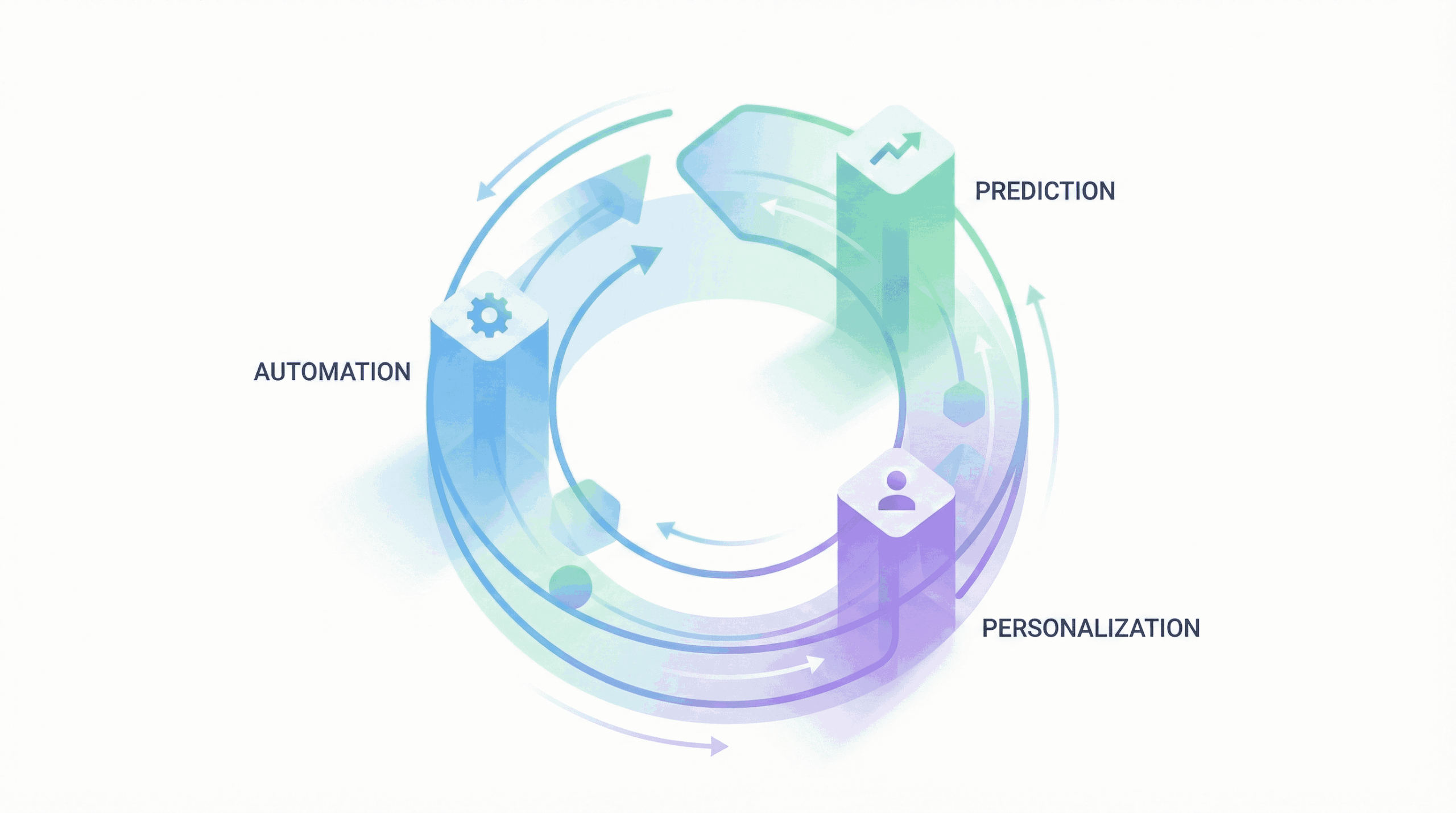
1. AI = Automation + Prediction + Personalization
AI works when three forces combine, not individually.
Automation: Doing More With the Same Team
AI automates repetitive, rule-based tasks:
-
Lead qualification
-
Customer support triage
-
Invoice processing
-
Data cleanup
This doesn’t remove humans — it removes friction.
Prediction: Decisions Before Problems Appear
AI predicts outcomes before they happen:
-
Which leads will convert
-
Which customers will churn
-
Which products will sell next month
Prediction turns reactive businesses into proactive ones.
Personalization: One-to-One at Scale
AI personalizes:
-
Emails
-
Ads
-
Website content
-
Product recommendations
Customers don’t want “AI” — they want relevance.
🔑 Real AI impact happens when automation feeds prediction, and prediction fuels personalization.
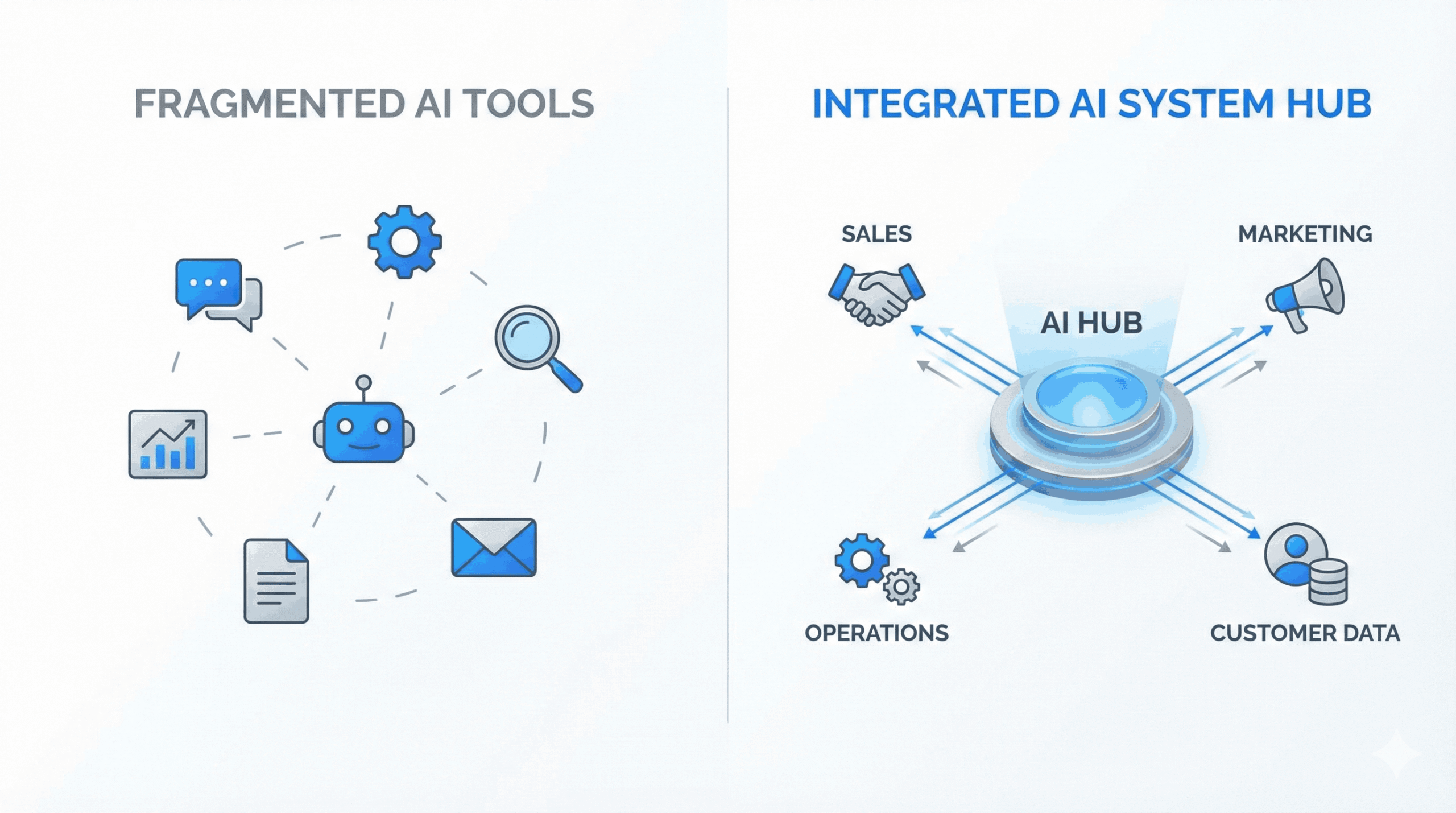
2. Difference Between AI Tools vs AI Systems
AI Tools: Isolated Helpers
Examples:
-
Chatbots
-
Image generators
-
Email writers
They help individuals work faster, but they don’t change the business model.
AI Systems: Business Infrastructure
AI systems:
-
Connect CRM, marketing, sales, and support
-
Learn from data continuously
-
Improve decisions automatically
A system remembers, adapts, and compounds value.
💡 Using AI tools is productivity.
Building AI systems is strategy.

3. Why AI ≠ Job Killer for Businesses
The truth:
AI doesn’t replace people — it replaces inefficiency.
What AI Actually Removes
-
Manual data entry
-
Repetitive follow-ups
-
Guess-based decision making
What AI Creates
-
New roles (AI ops, prompt strategists, data analysts)
-
Faster execution cycles
-
Higher-quality work from the same team
Companies using AI don’t fire teams — they outgrow competitors.
📌 Businesses that avoid AI don’t save jobs — they lose relevance.
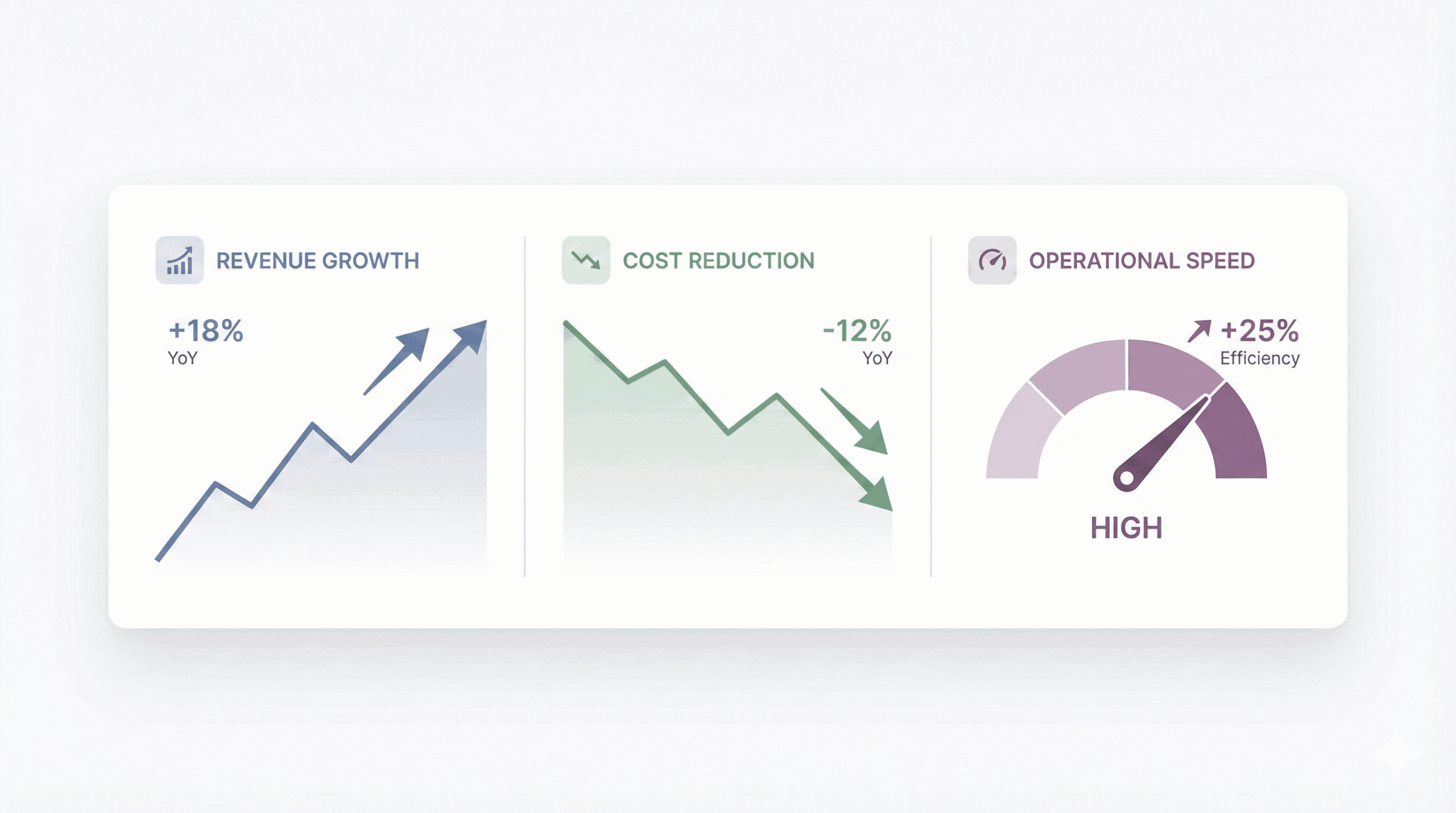
4. Real Business Growth Levers Powered by AI
AI directly impacts three growth levers:
Revenue Growth
-
Better leads
-
Higher conversion rates
-
Smarter pricing
Cost Reduction
-
Automation of ops
-
Fewer human errors
-
Faster execution
Speed & Scalability
-
Launch faster
-
Experiment cheaper
-
Scale without proportional hiring
🚀 AI lets companies scale output without scaling chaos.
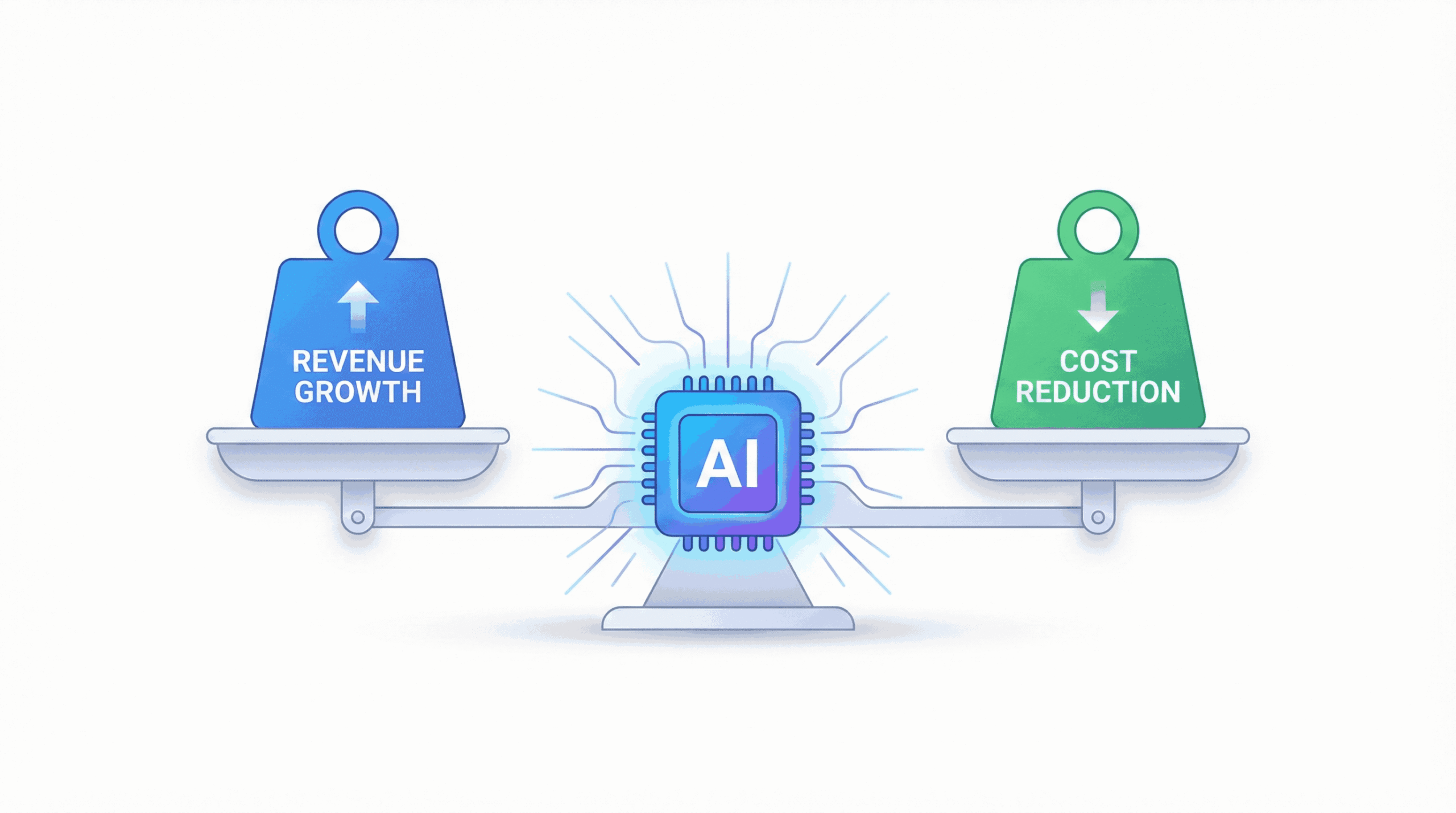
5. Revenue Growth vs Cost Reduction via AI
Revenue Growth (Offensive AI)
-
Predictive upselling
-
Dynamic pricing
-
Personalized marketing
Cost Reduction (Defensive AI)
-
Automated support
-
Demand forecasting
-
Inventory optimization
Smart businesses balance both — growth without burn.
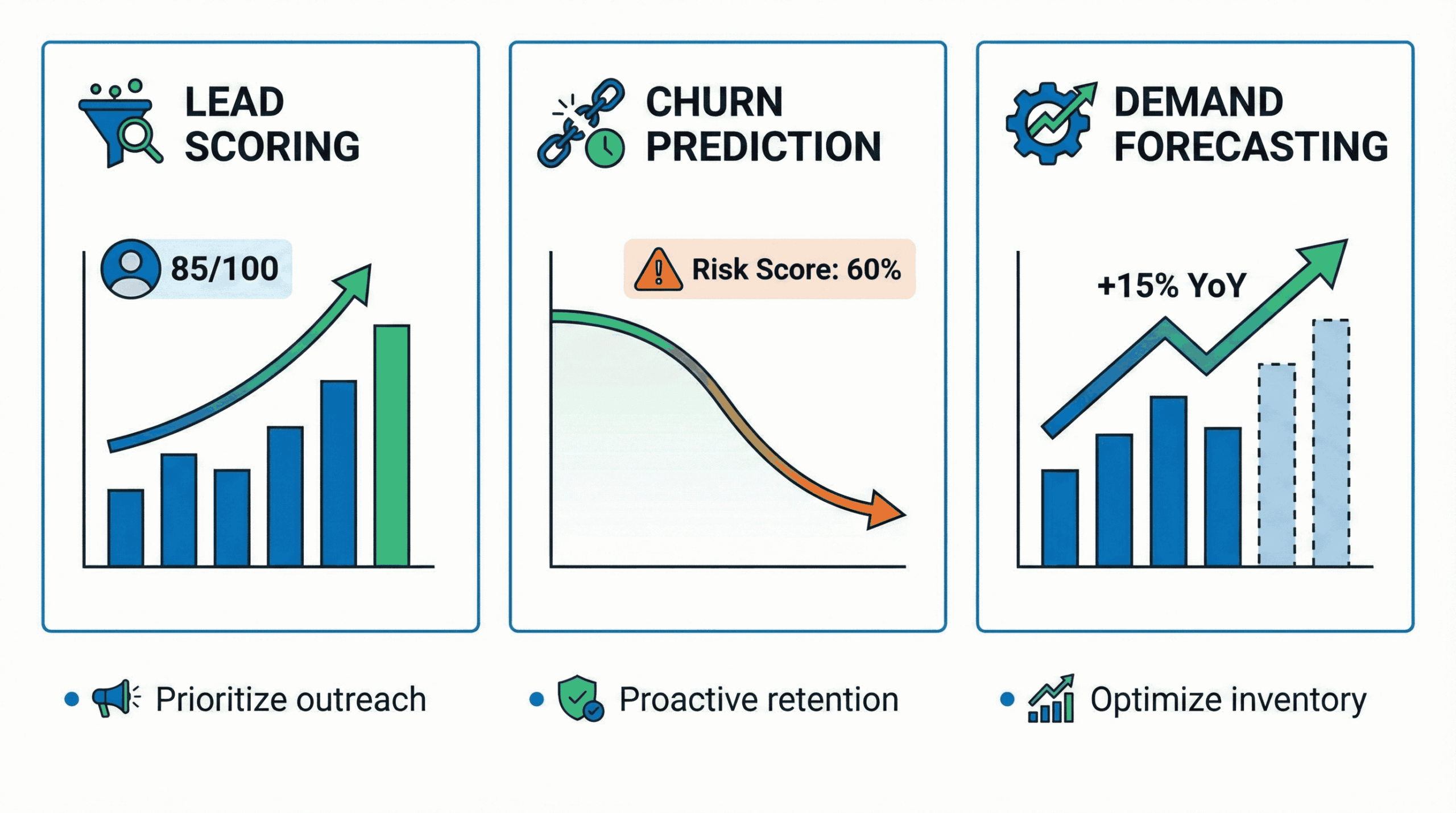
6. Real-World AI Examples That Actually Make Money
🔹 Lead Scoring
AI ranks leads by likelihood to convert → sales teams focus only on high-intent prospects.
🔹 Churn Prediction
AI flags customers before they leave → retention campaigns activate before revenue is lost.
🔹 Demand Forecasting
AI predicts demand accurately → optimized inventory, pricing, and cash flow.
These aren’t experiments — these are profit engines.
Build a Strong Online Presence (Your Digital Foundation)
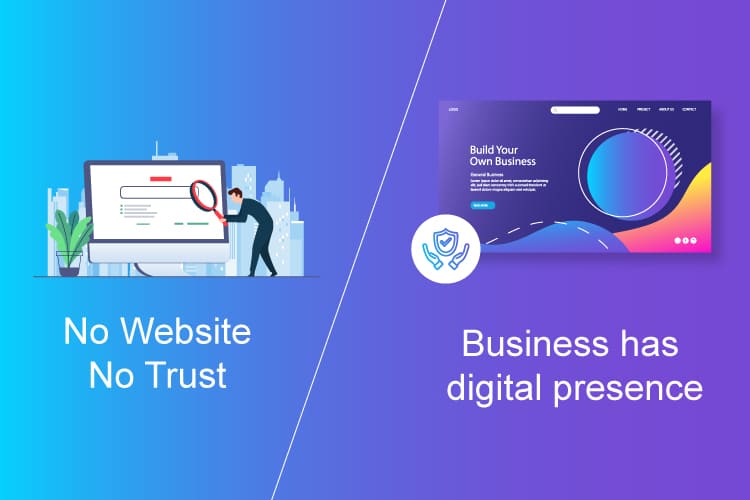
Before running ads or posting on social media, your business must have a professional online presence.
- A fast, mobile-friendly website
- Clear messaging about what you offer
- Easy contact options
- Trust elements (reviews, testimonials, portfolio)
Customers Google your business before contacting you. No website or poor design instantly reduces trust.

Local SEO: Get Found Where Customers Search
For small businesses, Local SEO is one of the highest ROI marketing strategies.
- Optimise your Google Business Profile
- Use local keywords (e.g., “web design company in Ahmedabad”)
- Collect genuine customer reviews
- Ensure consistent business details across platforms
Local customers search with intent — they’re ready to buy.
Content Marketing: Educate Before You Sell
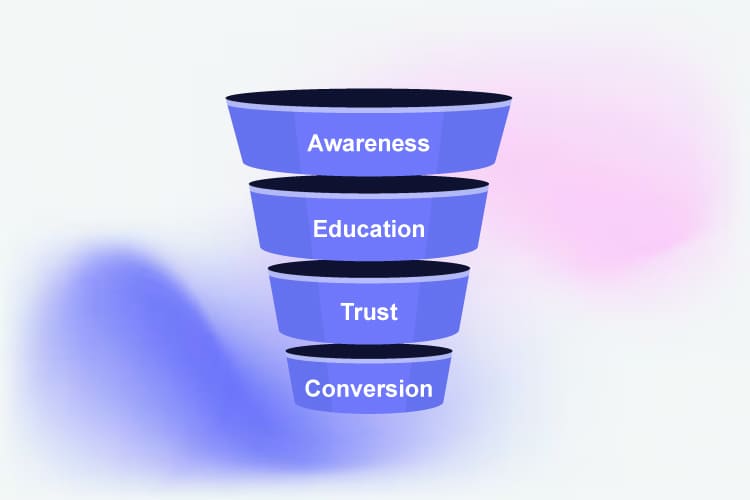
Small businesses win by building authority, not pushing sales.
- Blog posts solving customer problems
- Social media tips & insights
- Case studies or before–after transformations
- FAQs and how-to guides
People trust businesses that teach, not just sell.

Social Media Marketing (Quality Over Quantity)
You don’t need to be everywhere — you need to be consistent where your audience is.
- Choose 1–2 platforms (LinkedIn, Instagram, Facebook)
- Post educational and problem-solving content
- Use carousels, reels, and short videos
- Show behind-the-scenes & real work
Social proof builds familiarity, and familiarity builds trust.

Email Marketing: The Most Underrated Growth Tool
Email marketing still delivers one of the highest ROIs for small businesses.
- Share tips and insights
- Nurture leads
- Announce offers or updates
- Build long-term relationships
You own your email list — no algorithm can take it away.

Paid Ads (Start Small, Scale Smart)
Paid ads work — only when the foundation is strong.
- Start with Google Search Ads (high intent)
- Use Meta Ads for awareness and retargeting
- Track conversions, not just clicks
- Optimize landing pages
Ads amplify strategy — they don’t replace it.
Branding: Be Remembered, Not Just Seen
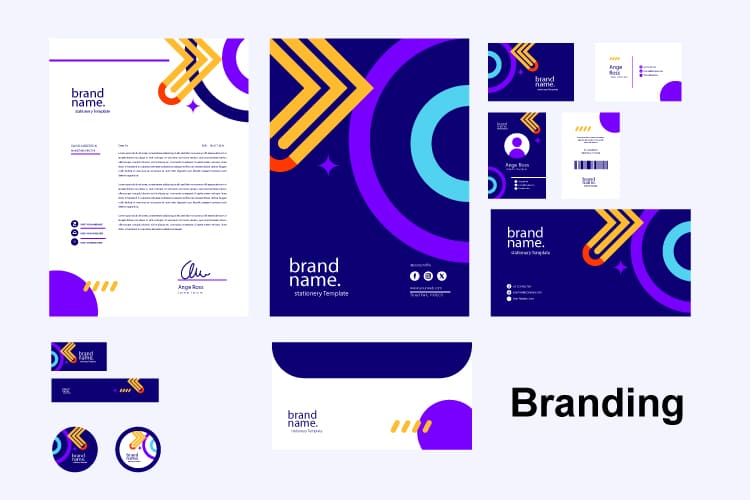
Branding is more than a logo — it’s how people feel about your business.
- Clear positioning
- Consistent colors & fonts
- Professional visuals
- A clear value proposition
People don’t buy the cheapest — they buy the most trusted.
Track, Measure, Improve (Marketing Is Never “Done”)
Marketing success comes from data-driven decisions.
- Website traffic
- Leads & conversions
- SEO rankings
- Campaign performance
What gets measured gets improved.
Final Thoughts: Start Smart, Grow Consistently
Marketing for small businesses is not about doing everything — it’s about doing the right things consistently.
Start with:
1️⃣ Website & foundation
2️⃣ SEO & visibility
3️⃣ Content & trust
4️⃣ Social & ads
5️⃣ Continuous optimisation